




Why do we Dream?

Dreams are a natural language of the human mind.

Every night, the brain uses images, scenarios and symbols to express emotions, inner states and unresolved questions.

Understanding dream meaning is not about prediction, but about awareness, reflection and emotional understanding.

Dreams help process emotions, memories and daily experiences.

Rather than speaking with words, dreams communicate through symbols — because symbols can express complex emotions more efficiently than literal language.

This is why the same dream symbol can have different meanings depending on personal experience and context.

How dream symbols are interpreted

Dreams use symbols to express emotions, inner states and personal experiences. Below are a few common dream symbols and how their meaning can be explored.

Example 1: Car

In dreams, a car represents direction, movement and personal progress. The condition of the car, how it is driven, and who is inside can reflect how a person feels about their life direction, choices or sense of control. A smooth drive may suggest clarity or confidence, while obstacles or loss of control may point to uncertainty or emotional tension in our social advancement.

Example 2: Lion

As an animal, a lion in a dream represent certain parts of our instinctual energy. It symbolizes leadership, authority, power, due to its concrete behavior as an animal. Depending on the context, it may represent confidence and courage — or, on the contrary, fear of confrontation, dominance or uncontrolled impulses. Observing how the lion behaves and how the dreamer reacts is essential to understanding its meaning.

Example 3: Woman

Seeing a woman in a dream does not always refer to a specific person in real life. A woman symbolizes the inner world, sensitivity, intuition and emotional awareness of the dreamer, that can be positive or negative depending on the context. This feminine aspect is not limited to gender — both men and women carry a feminine pole within themselves. The emotions felt, the interaction, and the role the woman plays in the dream provide key clues for interpretation.

The positive and negative dimensions

The positive and negative dimensions

When interpreting a dream symbol, context is essential.

A symbol does not carry a fixed positive or negative meaning on its own. Its interpretation depends on how it appears, where it is, and what role it plays within the dream.

For example, a car that is functioning well, moving smoothly and serving its purpose may reflect a positive dynamic, such as clarity, balance or progress.

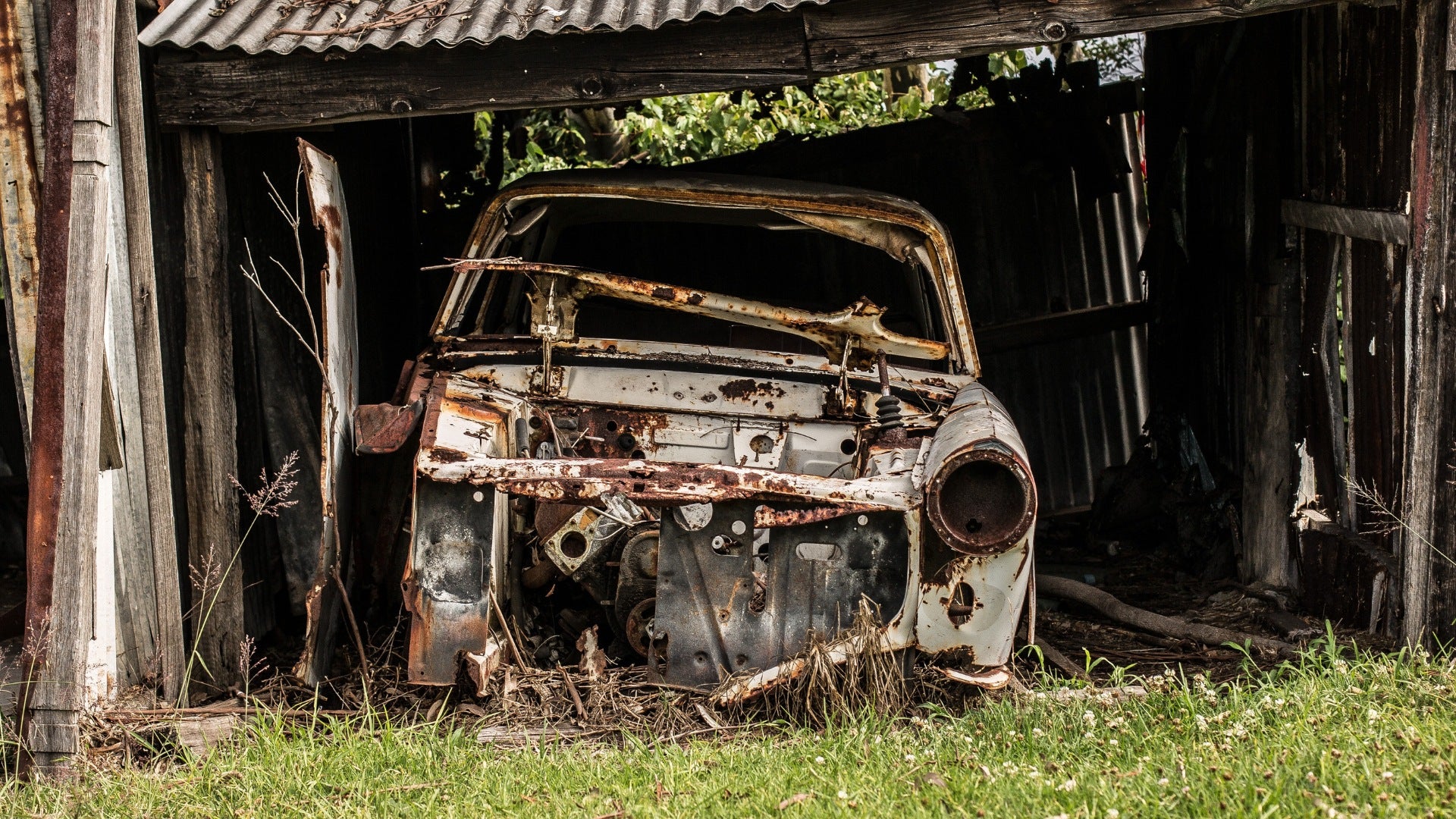
In contrast, a car that is damaged, blocked, abandoned or out of place may indicate difficulty, imbalance or a lack of direction in the area of life the symbol represents.

Some dream images may also contain both positive and negative elements at the same time. In these cases, the symbol reflects a tendency rather than a fixed state, showing that opposing aspects coexist within the same situation. This is why dream interpretation is not about labeling symbols as “good” or “bad”, but about observing how a symbol functions within a logical and coherent context.

Understanding this relationship between symbol, condition and context is what allows a deeper and more accurate interpretation of dreams. Below, we can find a simple, yet revealing example of the positive or negative context in which a symbol can exist:

When interpreting a dream symbol, context is essential.

A symbol does not carry a fixed positive or negative meaning on its own. Its interpretation depends on how it appears, where it is, and what role it plays within the dream.

For example, a car that is functioning well, moving smoothly and serving its purpose may reflect a positive dynamic, such as clarity, balance or progress.

In contrast, a car that is damaged, blocked, abandoned or out of place may indicate difficulty, imbalance or a lack of direction in the area of life the symbol represents.

Some dream images may also contain both positive and negative elements at the same time. In these cases, the symbol reflects a tendency rather than a fixed state, showing that opposing aspects coexist within the same situation. This is why dream interpretation is not about labeling symbols as “good” or “bad”, but about observing how a symbol functions within a logical and coherent context.

Understanding this relationship between symbol, condition and context is what allows a deeper and more accurate interpretation of dreams. Below, we can find a simple, yet revealing example of the positive or negative context in which a symbol can exist:

Positive
Negative

Free Dream Interpretation course

Learn to interpret dreams with our free educational course

Discover our free educational 7-days course

Discover our free educational 7-days course

For those who want a clear and educational introduction to dream interpretation, we recommend a free course developed by our educational partner.

This free course introduces:

🌟How to decode dream symbols

🌀How emotions influence dreams

♻️How to reflect on recurring dreams

👍How to apply dream understanding in daily life

This course is entirely free and designed for educational purposes.

For those who want a clear and educational introduction to dream interpretation, we recommend a free course developed by our educational partner.

This free course introduces:

🌟How to decode dream symbols

🌀How emotions influence dreams

♻️How to reflect on recurring dreams

👍How to apply dream understanding in daily life

This course is entirely free and designed for educational purposes.

Search